-
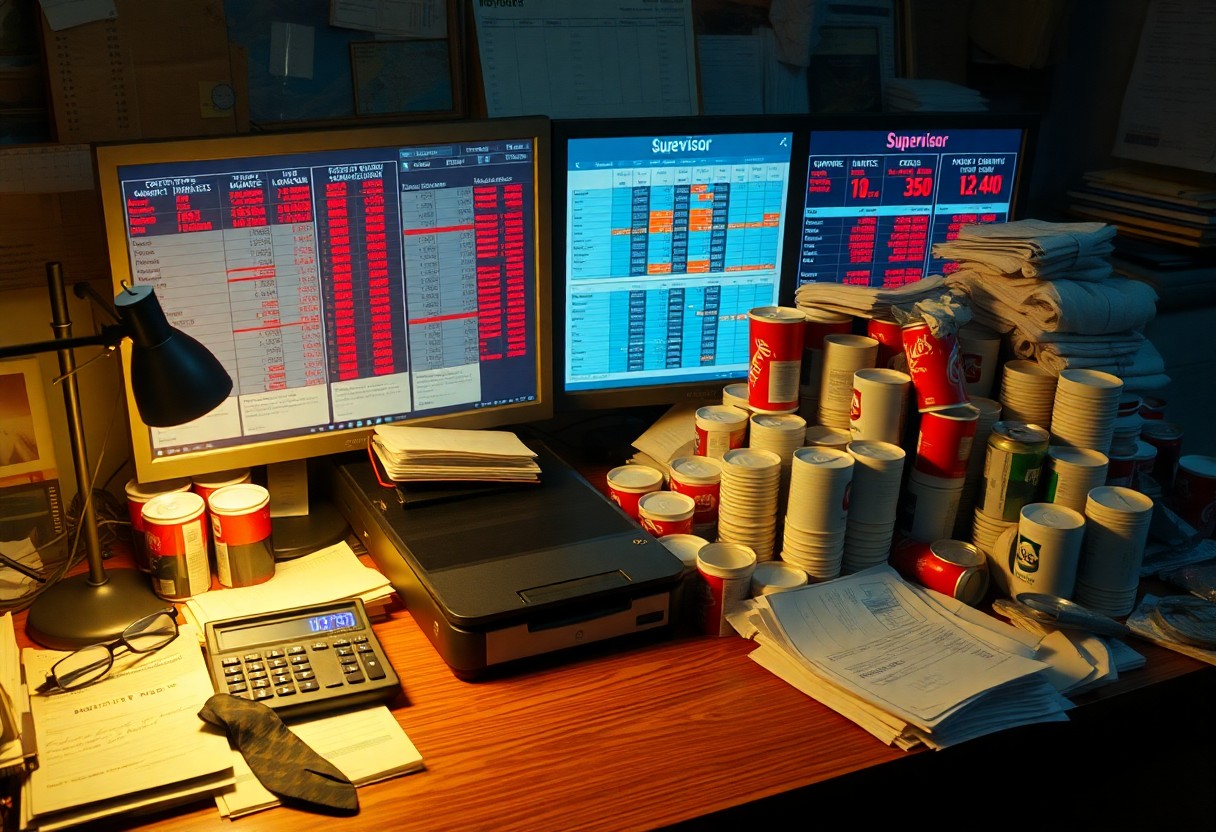
The Real Cost of Exhausted Supervisors
Most supervisors operate under chronic stress, and the cumulative effect erodes decision quality, team morale, and long-term organizational health. You manage workloads, mediate conflicts, and uphold standards, often at the expense of personal well-being. When exhaustion sets in, small oversights compound into systemic issues, and the cost extends far beyond a single employee’s fatigue. Key…
-

How Commute Stress Shows Up in the Workplace
Many mornings begin with gridlock, honking, or a delayed train, and that stress follows you into the office. It surfaces not just as fatigue but in sharper tones with colleagues, slower decision-making, and reduced resilience under pressure. What feels like a personal inconvenience has measurable effects on focus, mood, and team dynamics before your first…
-

Power Lunch – The Five-Minute Cottage Cheese Protein Plate
Protein fuels sustained energy and muscle repair, and few options deliver it as efficiently as cottage cheese. You can assemble a complete, high-protein meal in under five minutes using this versatile dairy product. Unlike processed alternatives, cottage cheese offers whole-food nutrition with minimal preparation. You’ll learn how to transform it into a satisfying, nutrient-dense plate…
-
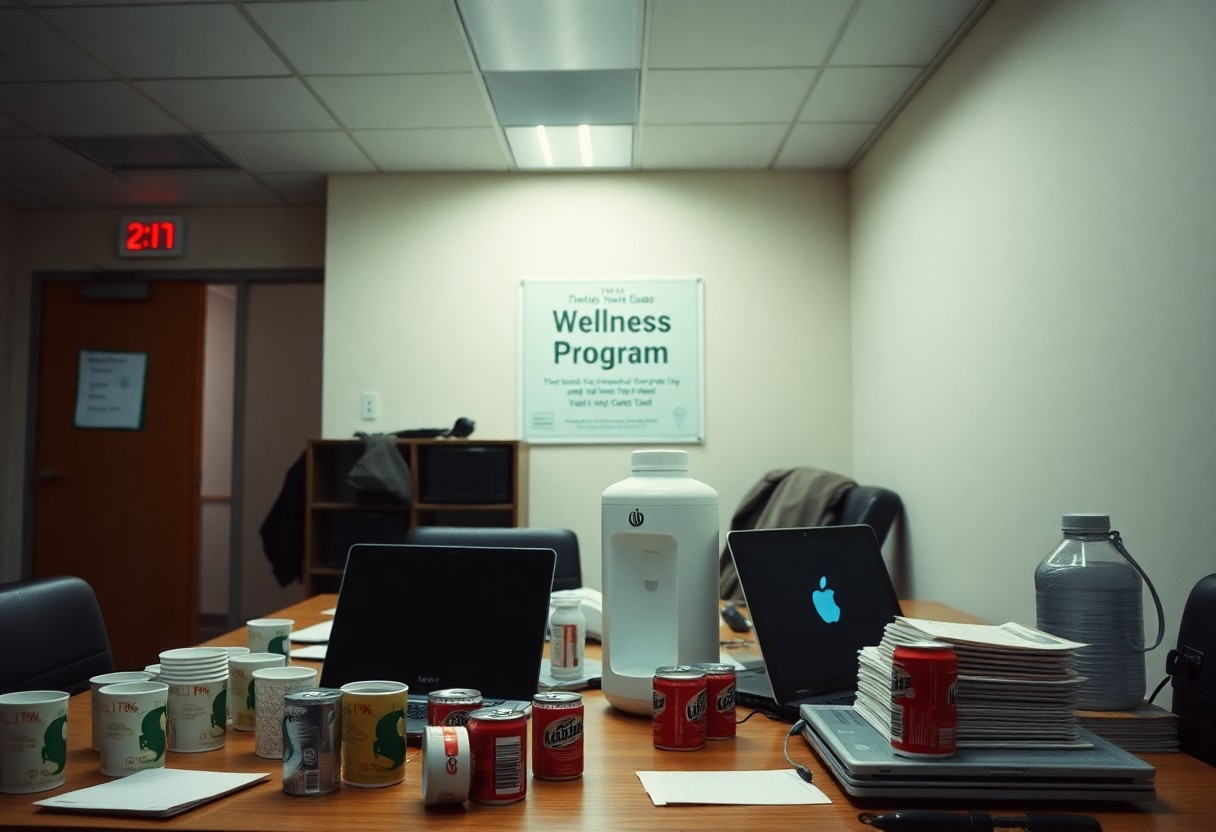
Wellness Is Not a Perk When People Are Running on Empty
You feel the fatigue, the constant pressure to perform despite dwindling energy, and the growing gap between corporate promises and daily reality. Wellness programs mean little when employees are chronically overworked, expected to thrive on goodwill and meditation apps while basic needs like manageable hours and fair pay go unmet. This isn’t burnout prevention-it’s exploitation…
-

Why Ontario Employers Should Talk About Recovery Time
Over 60% of Ontario workers report coming to work while unwell, driven by unspoken pressures and unclear expectations. You shape workplace culture through what you discuss, and silence around recovery time normalizes presenteeism. Addressing recuperation openly reduces burnout risk, supports compliance with human rights obligations, and strengthens retention. When employees know their recovery is valued,…
-

The Workplace Wellness Problem Hiding in Back-to-Back Meetings
Meetings chain one after another with no pause, filling your day from start to finish. You move from screen to screen, room to room, without time to breathe. This constant motion mimics productivity but often masks mental fatigue and decision decay. A mid-sized SaaS firm recently reported that employees regained two hours per week simply…
-

Power Lunch – The Turkey, Hummus, and Crunch Wrap
Power your afternoon with the Turkey, Hummus, and Crunch Wrap, a balanced meal that delivers sustained energy and bold flavor. You get lean protein from sliced turkey breast, creamy plant-based hummus, and a satisfying texture from shredded lettuce and crushed tortilla chips. This combination supports focus and stamina, making it a strong choice for a…
-

The Difference Between Wellness Activities and a Healthy Workplace
Wellness initiatives like gym memberships or mindfulness apps may feel supportive, but they are not equivalent to a healthy workplace. You might have access to yoga classes, yet still face chronic overwork, poor management, or psychological safety gaps. A truly healthy workplace is defined by structural conditions-not perks. These include fair pay, predictable schedules, equitable…
-

The GTA Lunch Problem – Too Fast, Too Processed, Too Late
GTA office workers routinely sacrifice nutrition for speed, grabbing meals that are high in sodium, low in fiber, and packed with unpronounceable additives. You’re not imagining it-lunch in the Greater Toronto Area has become a race against time, where convenience trumps care, and long-term health often loses. A typical midday meal may take 12 minutes…
-

Why Your Best Employees May Be the Most Burned Out
Most high performers quietly carry the heaviest loads, often becoming the first to experience burnout because their reliability makes them indispensable. Strong employees are frequently assigned more work, not recognition or relief, creating a cycle where success fuels exhaustion. You trust them with critical tasks, yet that trust can unintentionally erode their well-being over time.…